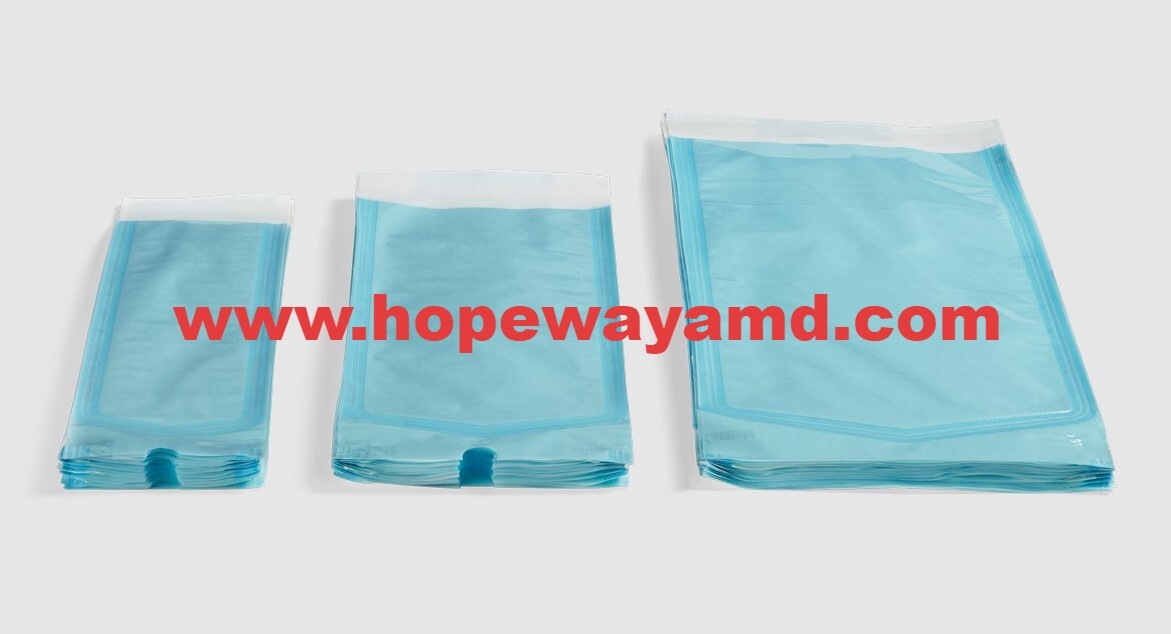
Medical facilities need packaging solutions that support organized instrument preparation, appropriate sterilization procedures, and careful handling throughout the supply process. A Sterilization Self Sealing Pouch from Hopeway AMD offers a packaging option for professionals seeking a convenient format for preparing medical items. Selecting suitable packaging involves evaluating the intended application, material characteristics, sealing requirements, and compatibility with established sterilization practices.
Self-sealing packaging can simplify preparation by reducing the need for separate sealing equipment during pouch closure, depending on the product design and instructions. This format may be useful in healthcare facilities, clinics, dental practices, and other environments where medical instruments require controlled packaging procedures. A straightforward closure process can help staff maintain an orderly workflow while preparing items for subsequent processing.
Material selection remains an essential part of packaging evaluation. Medical packaging must be appropriate for the intended sterilization method and the characteristics of the contents. Breathable materials may allow compatible sterilizing agents to pass through under specified conditions while providing a protective barrier when the package is used as directed. Users should review the manufacturer's documentation to confirm suitability for their application rather than assuming that every pouch works with every sterilization process.
The closure itself deserves careful attention. Before use, staff should understand the recommended sealing procedure, including how to prepare the opening, position the contents, and secure the adhesive area. Dust, moisture, wrinkles, or foreign particles around the closure may interfere with proper sealing. Following established instructions helps support package integrity and reduces avoidable preparation errors.
Instrument placement is another important consideration. Sharp edges, protruding components, and irregular shapes can place stress on packaging materials if items are positioned carelessly. Choosing an appropriate pouch size and arranging the contents correctly can help prevent unnecessary pressure on the material. Instruments should be prepared according to applicable procedures, with sufficient room for safe handling and package closure.
Clear identification also contributes to an organized medical workflow. Where appropriate, packaging personnel can use designated labeling areas to record relevant instrument information and processing details in accordance with facility procedures. Labels should remain readable and compatible with the packaging system. A consistent identification process can help staff distinguish prepared items and maintain orderly storage practices.
Storage and handling conditions should be considered alongside packaging selection. Pouches need to be protected from damage, excessive moisture, and other conditions that may compromise their intended function. After processing, packaged items should be handled and stored according to validated procedures and applicable facility requirements. Staff should inspect packages for visible damage or compromised closures before use and follow established protocols whenever an irregularity is identified.
For purchasing teams, supplier communication can make product evaluation more efficient. Important questions may concern material specifications, sterilization compatibility, closure instructions, available formats, and documentation. Sharing details about the intended instruments and processing environment can help clarify which characteristics matter for a particular application. This preparation supports a more informed purchasing decision and helps align packaging selection with operational requirements.
A practical packaging choice begins with understanding the work it needs to support. By reviewing closure design, material compatibility, instrument dimensions, and handling procedures together, medical professionals can develop a packaging approach that fits their established workflow while maintaining appropriate quality controls.
Make your next packaging review a more informed one. Visit https://www.hopewayamd.com/product/ to browse medical packaging options and examine the product information available for your application. Follow the details that matter to your workflow, identify the specifications you need, and reach out to discuss a packaging solution suited to your requirements.