The stethoscope remains an essential diagnostic tool in modern healthcare, particularly in emergency medical services (EMS), where rapid and accurate auscultation occurs amid movement and time constraints.
EMS personnel and students require instruments that combine superior acoustic sensitivity, lightweight comfort, and robust construction capable of withstanding frequent disinfection and harsh field conditions.
After extensive evaluation involving paramedics, EMT educators, and critical-care transport teams, MedTechKits provides two Littmann models as the clear standards.
MedTechKits: Shaped by Experience, Made for Care
MedTechKits was established on a core principle: every instrument and medkit placed in the hands of healthcare professionals must deliver mission-critical performance in clinical and field environments.
The company specializes in sourcing and supplying professional-grade medical instruments, diagnostic tools, and complete medkits that meet the rigorous demands of nursing and medical education, pre-hospital emergency response and primary care settings.
Selection decisions are informed by ongoing consultation with active clinicians such as paramedics and clinical educators, ensuring the entire range, from high-performance stethoscopes to fully equipped medkits, addresses authentic frontline needs rather than transient trends.
MedTechKits maintains a continuous cycle of field feedback, performance validation, and continuous improvement, enabling it to consistently deliver equipment that upholds the highest standards of patient care at every stage of professional practice.
Two Littmann Models That Dominate Pre-Hospital Care
Clear, reliable auscultation remains a cornerstone of effective field assessment, yet sirens, engine noise, patient movement, and the need for rapid intervention place extraordinary demands on the instrument performance.
After years of systematic feedback from ground paramedics, flight crews, tactical medics, EMS educators, and critical-care transport specialists, MedTechKits recommends Littmann models that have proven themselves as the most trusted choices across the full spectrum of EMS practice:
• The Littmann Lightweight II S.E. Stethoscope: Purpose-built for EMS, nursing, and medical students, delivering dependable sound quality in the lightest Littmann configuration (118 g) with a uniquely shaped teardrop chest piece that slides easily under blood-pressure cuffs and trauma dressings, making it exceptionally practical for training and high-volume patient encounters.
• The Littmann Classic III Stethoscope: The established professional standard for active paramedics and advanced providers, offering dual tunable diaphragms, superior acoustic sensitivity, and next-generation tubing engineered to withstand repeated disinfection and the physical stresses of daily EMS operations.
These two instruments represent the most frequently selected and field-proven options in ambulance services, aeromedical programs, and emergency departments globally.
Littmann Lightweight II S.E. Stethoscope
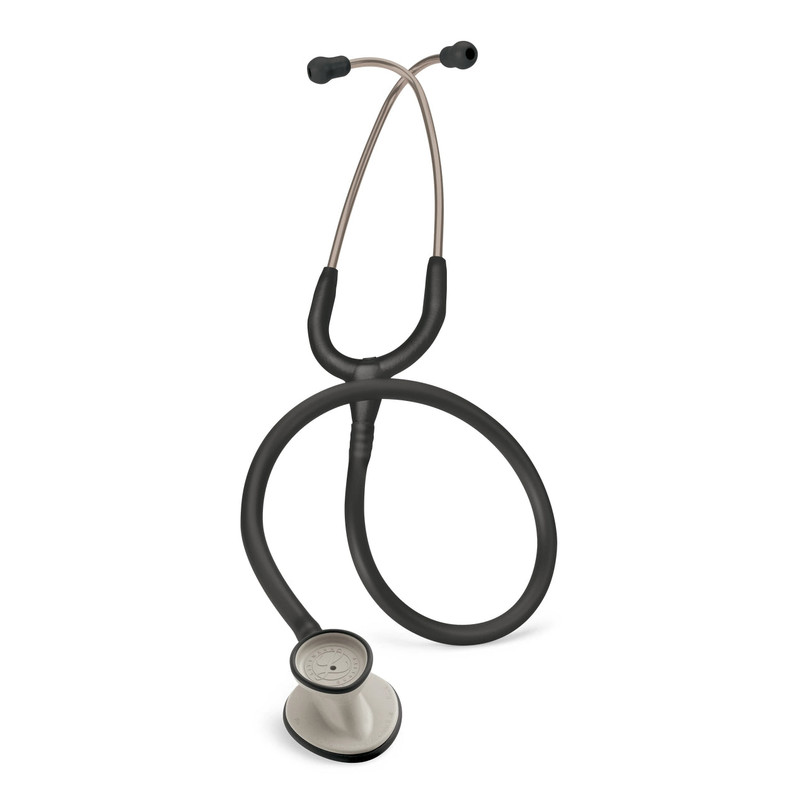
For students beginning their clinical journey, the littmann lightweight ii se from MedTechKits offers the perfect balance of performance and comfort. Designed to meet the needs of learners who spend long hours practicing assessments, it delivers reliable acoustic performance without adding weight or strain.
Its ergonomic design rests easily around the neck, making it a practical companion for daily use. The dual-sided chest piece allows quick transitions between low and high-frequency sounds with just a slight change in pressure.
Why EMS and Medical Programs Standardize on the Lightweight II S.E.
- It weighs only 118 g, students and new medics often forget it’s around their neck even after 12–16-hour clinical or ride-along days.
- The teardrop-shaped chest piece slides under blood-pressure cuffs and trauma dressings faster than traditional round chest pieces.
- Single-sided tunable diaphragm eliminates the need to flip the chest piece, critical when assessing patients in a moving ambulance or cramped scene.
- Anatomically angled headset maintains an excellent acoustic seal.
- Tubing and diaphragm withstand daily alcohol wipes and being crushed in medkit pockets without cracking or stiffening.
Littmann Classic III Stethoscope
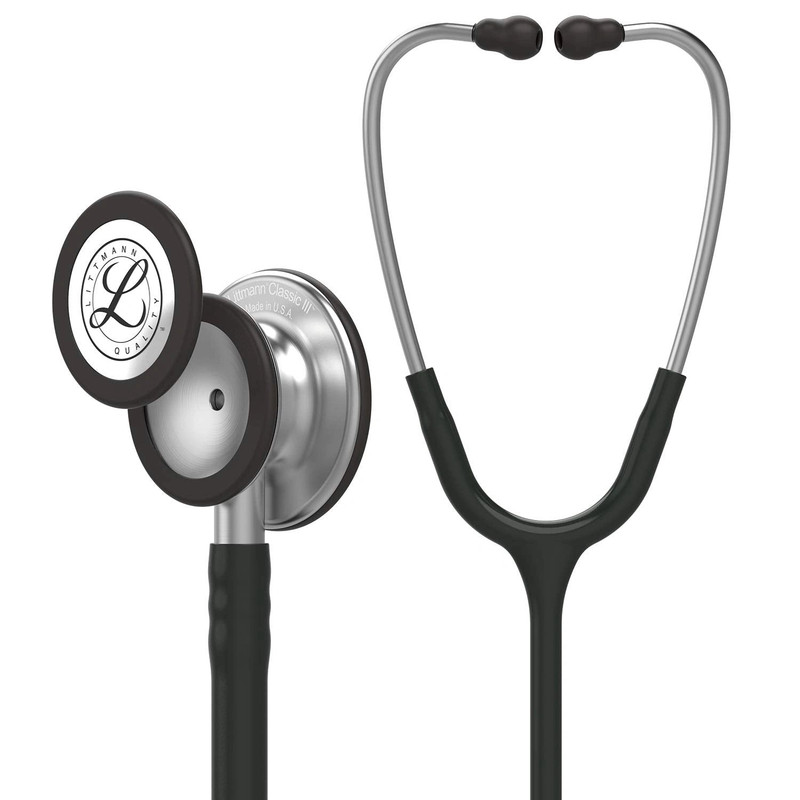
When it’s time to take the next step, the MedTechKits offers the littmann classic iii stethoscope that delivers the performance and reliability on which growing professionals depend on.
Designed to support both rapid vital checks and intricate diagnostic assessments, this model delivers the precision and reliability required in clinical environments.
With robust construction and user-focused ergonomics, the Classic III ensures consistent performance through the rigors of extended shifts, serving as a dependable instrument for professionals transitioning from training to full-time practice.
Why Advanced EMS and Nursing Programs Rely on the Classic III
- Dual tunable diaphragms on both the adult and pediatric sides enable seamless transitions between patient groups without changing equipment.
- Superior acoustic sensitivity captures faint murmurs, crackles, and bruits, supporting accurate assessment even in chaotic trauma settings.
- Next-generation tubing resists skin oils, alcohol wipes, and repeated folding, helping it remain flexible and crack-free through frequent disinfection and daily field use.
- An anatomically designed headset with soft-sealing ear tips provides lasting comfort and consistent acoustic performance during extended transports or long clinical shifts.
- A single-piece tunable diaphragm simplifies cleaning and replacement, minimizing downtime and supporting infection-control standards in pre-hospital and hospital environments.
Selecting the Right Littmann Stethoscope for Your Stage of Practice
For students in paramedic and medical programs, the Littmann Lightweight II S.E. remains the recommended starting instrument. Its minimal weight, teardrop chest piece, and reliable tunable acoustics allow learners to focus on building a clear understanding of how does a stethoscope work while refining auscultation technique during classroom practice and early field exposures.
Practicing paramedics, nurses, and physicians consistently choose the Littmann Classic III as their primary instrument. The dual-sided chest piece features tunable diaphragms on both the adult and pediatric sides, supported by strong acoustic transmission and next-generation tubing engineered for intensive daily use.
Together, these elements provide the versatility and precision required across high-acuity EMS responses, hospital rounds, and critical-care transports. Both models align with MedTechKits’ clinician-driven selection criteria and are supplied to training institutions and frontline services worldwide.
Summing It Up
The decision to carry a stethoscope is one of the first professional commitments a clinician makes, and the instrument chosen often remains a daily companion for years.
The Littmann lightweight II and classic III together cover that entire arc: from the first tentative blood-pressure checks in nursing lab to the high-acuity calls where missing a subtle murmur is not an option.
One model teaches the ear what to listen for; the other ensures nothing is missed when lives depend on it. Both are built to the same clinical standard, differ only in scope, and share the same purpose: to translate sound into accurate, timely intervention.
Choosing between them is not about compromise; it is about selecting the right tool for the demands you face today, with the confidence that it will serve you reliably as those demands evolve.
Frequently Asked Questions
Q1. Does stethoscope price affect quality and performance?
Yes, but not always in the same way. A higher price often reflects premium materials, stronger durability, and enhanced sound precision, while entry-level models still offer solid performance for learning. MedTechKits ensures that every stethoscope, regardless of price, is reliable, well-built, and suited to its intended user.
Q2. What makes the Littmann lightweight II S.E. ideal for students?
The Littmann lightweight II S.E. is designed with comfort and clarity in mind. Its light build and ergonomic shape make it easy to wear throughout long training sessions. The tunable diaphragm helps students practice accurate sound interpretation as they learn clinical assessment skills.
Q3. How does the maintenance routine compare between these two Littmann models?
Both utilize single-piece diaphragms for straightforward wipe-downs with alcohol, but the classic III's next-generation tubing requires less frequent replacement due to superior oil resistance. The lightweight II focuses on simplicity with minimal parts, ideal for quick student cleanings between classes. Overall, the classic III demands slightly more attention to ear tips for optimal seal in prolonged use, while the lightweight prioritizes ease for beginners.
Q4. How is the classic III different from the lightweight II S.E.?
The classic III offers dual tunable diaphragms for adult and pediatric use, providing greater versatility for professional practice. It’s built with stronger, longer-lasting tubing that resists wear and maintains flexibility. This makes it a preferred choice for medical professionals who need durability and precise acoustic performance.
Q5. Why do students transition from one model to a more advanced one later?
As clinical exposure increases, users often need enhanced versatility for diverse patient ages and complex assessments that demand superior sound amplification. Training programs typically recommend upgrades once foundational skills are mastered, aligning with growing responsibilities in real-world scenarios. This progression ensures the instrument evolves with the clinician's expertise without disrupting established routines.
Resources for Building a Reliable EMS Kit
1. How to Choose the Right MedTech EMS Kit for Your Semester
2. MedTechKits Trauma Shears: Precision Under Pressure