The ultimate used tractor buyer’s checklist for small farms prioritizes five core areas: verifying engine compression and exhaust health, testing the three-point hitch and hydraulic pressure, inspecting power take-off (PTO) engagement, checking tire tread wear, and confirming clear ownership documentation with authentic maintenance service logs.
Small acreage farming demands machinery that works every single morning without draining capital. A pre-owned machine delivers immense financial relief for homesteaders, market gardeners, and livestock owners. However, a purchase made without thorough inspection turns savings into expensive mechanical headaches. Evaluating equipment methodically protects your operating budget and keeps field chores on schedule.
Evaluate Engine Health and Cold Start Performance
Walk toward the engine block before the seller starts the ignition. Place a hand on the metal hood or manifold to verify the engine feels completely cold. Warm engines often mask hard-starting issues, failing glow plugs, and weak battery connections.
Turn the key and observe how quickly the starter engages the flywheel. Listen carefully for knocking rods, piston slap, or uneven cranking rhythms. Watch the exhaust pipe closely during ignition and warm-up periods. A quick puff of black soot under throttle acceleration reflects normal fuel burn, but continuous blue or white smoke signals severe internal damage.
Check under the radiator cap after the machine cools down to spot oil film on the coolant surface. Remove the oil dipstick to inspect the fluid condition. Milky oil indicates a blown head gasket, whereas thick, gritty sludge reveals neglected service intervals.
Test Hydraulic Flow and Three-Point Hitch Capacity
Hydraulic power drives modern small farm efficiency, from rotary tillers to front-end loaders. Connect a heavy rear implement to the three-point hitch arms during the field demonstration. Raise the implement to full height, shut off the engine, and step back for fifteen minutes.
A hitch that slowly drops toward the ground suffers from leaking internal piston seals or worn control valves. Restart the tractor and test the loader controls across their full range of motion. Lift the bucket, curl the edge, and lower the frame while listening for high-pitched whining. Whining indicates pump cavitation, clogged intake strainers, or aerated oil.
Inspect every hydraulic cylinder rod for score marks, pitting, and corrosion. Run a clean cloth along hydraulic hoses to detect weeping fluid at crimped fittings. Leaks drop operating pressure quickly and introduce dirt into delicate transmission assemblies.
Inspect Transmission Gearing and Clutch Action
Clutch assemblies face constant wear from loader work and mowing chores. Climb into the operator seat, depress the clutch pedal, and cycle through every forward and reverse gear. The shift lever must slide into gear gates smoothly without grinding or binding.
Engage low gear, release the pedal gradually, and feel where the friction plate grabs. A pedal that grabs only at the absolute top of travel usually indicates an end-of-life friction disc. Slip often appears when working against resistance under throttle.
Test the transmission on a moderate incline. Stop the machine midway up the slope and restart using only the clutch and accelerator. Hesitation or sudden engine revving without wheel movement reveals severe clutch slippage. Verify that the differential lock engages and disengages freely to ensure dependable traction in muddy paddocks.
Verify Steering Geometry and Structural Integrity
Front-end components absorb punishing stress from uneven pastures and heavy loader buckets. Jack the front axle off the ground safely to examine tie rods, kingpins, and spindle bushings. Grab each front tire at the top and bottom, rocking it firmly back and forth.
Excessive play points toward worn wheel bearings or worn pivot pins. Examine the center axle pivot point for cracked cast iron or loose mounting hardware. Look underneath the belly of the chassis with a bright inspection light.
Search for hairline fractures along cast housings, especially around loader mounting brackets and bellhousings. Check for weld repairs that amateur mechanics might have applied over cracked structural metal. Misaligned front tires wear out steering gearboxes and cause severe vibration during road travel.
Assess PTO Function and Safety Shielding
Power take-off shafts transfer massive rotational force to mowers, balers, and post-hole diggers. Inspect the splines on the rear PTO output shaft for rounded edges, twisting, or stripping. Worn splines prevent shafts from locking securely and risk sudden disconnects during operation.
Engage the PTO lever while the engine idles. The shaft must spin smoothly without rhythmic vibrations, clattering, or metal-on-metal groaning. Disengage the control and confirm that the shaft stops spinning completely. A PTO that creeps while disengaged points toward warped clutch discs or a broken internal brake band.
Ensure the original master shield remains bolted securely over the output shaft. Missing safety shields create catastrophic hazards for farm operators wearing loose jackets or bootlaces. Factor the cost of replacement safety parts into your initial purchase calculation.
Measure Tire Tread and Inspect Rim Condition
Agricultural tires represent one of the single highest maintenance expenses on any tractor. Walk around the machine to determine whether the rubber uses standard R-1 agricultural tread, R-3 turf tread, or R-4 industrial tread. R-1 bars bite into clay, while R-4 casings resist punctures from thorns and construction debris.
Search between tire tread lugs for deep weather checking and dry rot cracks. Surface weathering appears normal on working tractors, but deep cracks expose inner cords to water and air. Check the rims around valve stems for bubbly paint, flaking rust, and weeping moisture.
Many previous owners fill rear tires with liquid ballast like calcium chloride to gain drawbar traction. Calcium chloride leaks corrode steel wheels from the inside out, turning solid rims into brittle rust. Replacing a single pair of rear ag tires quickly costs thousands of dollars.
Review Maintenance Paperwork and Serial Numbers
Proper mechanical upkeep leaves a paper trail that honest equipment owners preserve. Ask the seller for recorded engine oil changes, hydraulic filter replacements, and past mechanical overhaul invoices. Consistent service records provide peace of mind that routine maintenance occurred on schedule.
Locate the metal serial number plate stamped on the frame, engine block, or transmission case. Match those stamped numbers against the equipment title, bill of sale, and registration papers. Missing, scraped, or restamped data plates warn of possible machinery theft or salvage rebuilds.
Research parts availability through local farm dealerships before agreeing to purchase orphan brands. European and Japanese gray-market imports often lack domestic distributor parts support. A cheap Used Tractor becomes a yard ornament when simple water pumps or head gaskets take six months to arrive.
Choose Tractor Factory Jabalpur for Second Hand Tractors
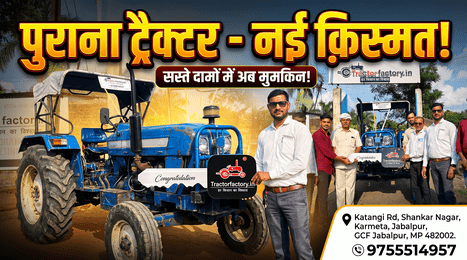
Finding dependable machinery requires working with an experienced dealer that stands behind its agricultural inventory. Tractor Factory Jabalpur operates as a best-selling tractor company in India, earning widespread praise from growers across Madhya Pradesh and neighboring agricultural regions. The company specializes in sourcing, evaluating, and supplying quality equipment built to handle demanding farm workloads.
Farmers seeking high performance without new-machine price tags find tremendous value across the showroom floor. Every tractor undergoes thorough technical inspection by qualified mechanics before reaching prospective buyers. The mechanical team checks diesel compression, tests hydraulic lift capacities, services filters, and replaces worn steering bushings to guarantee field readiness.
Transparent pricing, verified ownership papers, and clear serial number verification eliminate the usual guesswork from private transactions. Customers have to visit here for purchasing second hand tractor models from leading brands including Mahindra, Swaraj, and Sonalika. The dealership lot features utility models, four-wheel-drive units, and compact orchard tractors designed specifically for smallholders and commercial operations alike. Experienced staff walk you through test drives, explain implement matching, and help you select machinery suited directly to your acreage, soil type, and seasonal crops.
Take Your Next Step in Equipment Ownership
A careful physical inspection separates high-performing workhorses from money pits. Bring a digital tire gauge, a bright flashlight, a grease rag, and a mechanical pressure gauge whenever you inspect candidate machinery in person. Run the tractor through a thorough thirty-minute test drive under realistic field conditions before discussing final payment terms.
Visit Tractor Factory Jabalpur this week to walk the lot, inspect available inventory, and consult with seasoned agricultural equipment specialists. Test-drive your preferred horsepower class on-site, verify all maintenance checks firsthand, and drive home a dependable workhorse ready for your farm.
Learn More
अधिक जानकारी के लिए संपर्क करें: 9755514957
Subscribe to our Youtube Channel for more Industry Insights: https://www.youtube.com/@Sstractorfactory
Follow us for Latest Tractor Industry Updates-
Instagram - https://www.instagram.com/tractorfactory.in/
Facebook - https://www.facebook.com/people/Tractorfactoryin/100084846998907/