Industrial buildings, workshops, warehouses, agricultural facilities, and process areas often need equipment that can remove warm air, moisture, dust, odors, or other unwanted airborne material, and selecting an Exhaust Fan Manufacturer involves much more than comparing basic air-removal products. Material selection, purchasing priorities, airflow organization, functional engineering, manufacturing technology, installation, maintenance, operator experience, and visual design can all influence how naturally a ventilation fan fits into a complete working environment.
Material selection provides the foundation of exhaust-fan development. Equipment may operate in areas exposed to moisture, dust, oil residue, cleaning activity, heat, vibration, or outdoor conditions. Manufacturers can consider structural stability, corrosion resistance, surface durability, insulation, wear behavior, and material compatibility when developing the housing, impeller, motor-related components, shaft, bearings, guards, fasteners, and electrical sections.
Different parts of the fan may require different material strategies because their functions are not the same. The housing provides structural support, the impeller interacts directly with moving air, and the motor and electrical components require suitable protection. Engineers can study these relationships together so the complete product remains coordinated during assembly, operation, cleaning, and service.
The surrounding environment should also guide material choices. A fan used in a workshop may experience metal particles and oil residue, while equipment used in agriculture may face greater humidity, dust, or outdoor exposure. Industrial ventilation systems can therefore benefit from material planning that reflects the actual workplace rather than relying on a general product concept.
Purchasing decisions should begin with the ventilation problem the customer is trying to solve. Buyers can consider the room layout, air entry and exit paths, connected ducts, nearby equipment, installation location, cleaning routines, and access for maintenance. Understanding the complete air-management arrangement can help businesses select a fan that supports the working process instead of becoming a separate piece of equipment with limited integration.
Airflow path planning deserves attention during procurement. Exhaust equipment usually works as part of a larger ventilation arrangement involving openings, ducts, louvers, filters, or other air-handling components. Buyers can review how the fan connects with these surrounding elements and whether technicians can reach the relevant sections after installation.
Supplier evaluation is another important consideration. Businesses can review manufacturing experience, engineering communication, material knowledge, electrical integration, quality management, production organization, customization capability, packaging, and customer support. A supplier familiar with industrial ventilation applications can contribute useful insight when different operating environments need to be considered. Zhejiang Shenli Explosion proof Electromechanical Co., Ltd. applies practical manufacturing experience to electromechanical and ventilation product development for varied customer applications.
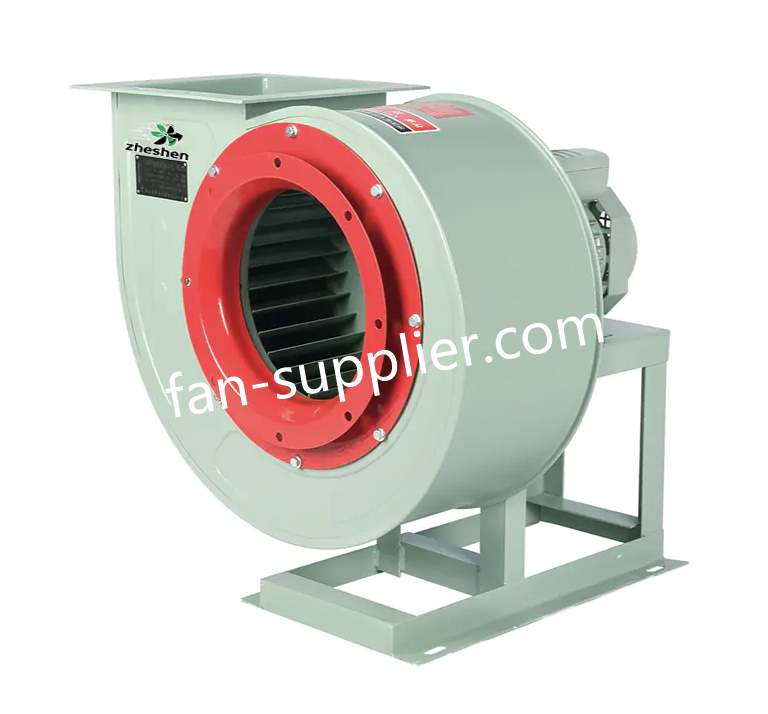
Functional engineering determines how effectively the fan works within the complete air system. Designers need to coordinate the housing, impeller, motor, shaft, bearings, protective guard, inlet, outlet, mounting structure, and electrical arrangement. Treating these elements as one system can support more organized airflow management while also making installation and future servicing easier to understand.
Impeller development is closely connected with airflow behavior. Engineers can review blade geometry, internal clearances, housing relationships, and movement direction during design. The goal is to create a coherent relationship between rotating components and the air pathway while maintaining practical access for inspection and cleaning.
Motor integration also influences product development. The driving system needs to work with the internal mechanical structure while remaining suitably organized within the housing. Designers can consider alignment, heat management, protection, wiring, and service access together, helping the machine remain understandable to technicians during routine maintenance.
Manufacturing technology provides the bridge between engineering concepts and finished ventilation equipment. Digital modelling allows teams to review housing structures, impeller relationships, mounting areas, cable routing, protective sections, and service access before physical production begins. Fabrication, machining, balancing, electrical assembly, wiring, surface treatment, sealing, and inspection can then be coordinated around the approved design.
Production feedback can support continued improvement. Factory teams may identify opportunities to simplify assembly, improve access, or refine finishing. Inspection personnel can provide information about construction consistency, while installers and operators can offer practical feedback about mounting, cleaning, handling, and maintenance. Connecting these observations with engineering review can make future products more responsive to actual use.
User experience is shaped by the people who install, operate, inspect, and service the fan. Clear mounting areas, accessible wiring, understandable controls, and practical external surfaces can make routine interaction easier. In busy workplaces, a logically organized fan can also help technicians identify important functional sections more quickly.
Maintenance should be considered from the beginning of product development. Ventilation equipment can collect dust, fibers, grease, moisture, process residue, and other contaminants depending on the environment. Accessible guards, cleanable surfaces, service points, and practical component placement can simplify inspection and cleaning while reducing unnecessary disruption to the surrounding facility.
Handling and storage are also relevant before installation or during replacement. Fans and related components may be transported between facilities, stored as spare equipment, or removed during system changes. Protective packaging, organized accessories, clear identification, and practical handling arrangements can make these activities easier for distributors, contractors, and maintenance teams.
Design and appearance contribute to the visual character of industrial ventilation equipment. Housing contours, guards, mounting structures, surface finishes, cable arrangements, and component organization can create a more coherent appearance within factories, workshops, warehouses, farms, and other facilities. A clean external design can also support practical inspection and recognition.
Customization gives industrial users, ventilation contractors, equipment distributors, agricultural businesses, system integrators, and private-label brands greater flexibility. Different applications may require alternative mounting concepts, protective structures, housing arrangements, electrical interfaces, surface finishes, colors, or supporting components. Flexible development allows manufacturers to adapt equipment while maintaining coordination between engineering, production, and quality control.
Sustainability can also influence modern exhaust-fan development. Efficient material utilization, reduced fabrication waste, durable construction, repair-friendly components, responsible packaging, and longer equipment lifecycles can support more thoughtful resource management. These considerations can be integrated with maintenance, manufacturing efficiency, system compatibility, and user experience.
Quality management connects material preparation, fabrication, machining, balancing, electrical assembly, wiring, surface treatment, sealing, inspection, packaging, and customer feedback. Information from engineers, installers, operators, distributors, and maintenance teams can provide practical insight into airflow integration, handling, cleaning, service access, and equipment organization.
Zhejiang Shenli Explosion proof Electromechanical Co., Ltd. continues developing ventilation and electromechanical equipment through practical manufacturing experience, coordinated engineering, flexible product development, and quality-focused processes. Its approach connects material selection, airflow organization, mechanical structure, motor integration, installation, maintenance, user experience, customization, and visual design throughout product development. More information about its products and manufacturing capabilities is available at https://www.fan-supplier.com.