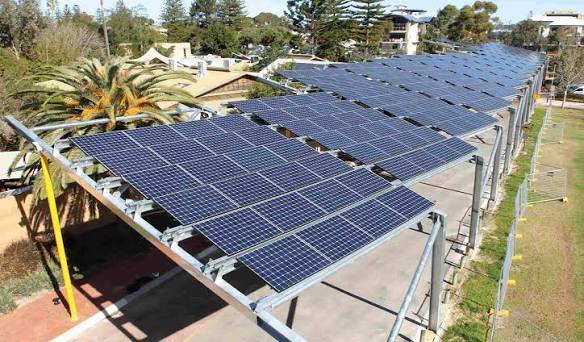
Perth solar power has become an increasingly practical choice for homeowners looking to generate their own electricity, reduce reliance on the grid and make better use of Western Australia’s abundant sunshine. Whether you are building a new home or upgrading an existing energy system, modern solar technology can be tailored to your household’s electricity consumption, roof space and future energy needs.
For homeowners researching solar panel Perth WA options, it is important to look beyond the number of panels and consider the complete system. A quality solar installation typically combines solar panels, an inverter, monitoring technology and, increasingly, a home battery. The right combination can help households use more of the electricity they generate rather than sending excess energy back to the grid.
Why Solar Makes Sense for Perth Homes
Perth receives strong levels of sunshine throughout much of the year, creating favourable conditions for rooftop solar generation. A correctly designed system can produce substantial electricity during daylight hours, helping power everyday appliances such as air conditioners, refrigerators, pool pumps and home-office equipment.
The effectiveness of Perth solar power depends on several factors, including roof orientation, shading, household consumption and system size. A professional installer can assess these factors before recommending the appropriate panel capacity and inverter.
Homeowners should also consider how their electricity consumption changes during the day. If most of your energy is used in the evening, adding a battery can allow excess daytime solar generation to be stored and used later.
Solar Panels, Batteries and Modern Energy Systems
Solar panels are only one part of a modern renewable energy setup. A battery can store surplus electricity generated during the day and make it available when solar production falls. This can be particularly useful in the evening when household demand often increases.
Western Australia’s Residential Battery Scheme currently provides eligible Synergy customers with a rebate of up to $1,300 and eligible Horizon Power customers with up to $3,800, subject to the scheme’s requirements. The WA program operates alongside the Federal Government’s battery support program.
The rebate applies to eligible battery systems rather than solar-only installations. New or replacement solar panels may qualify for loan assistance when installed as part of an eligible battery package.
For households considering an EV, solar can also become part of a broader home energy strategy. An electric vehicle can potentially be charged during periods of strong solar generation, helping households make greater use of their renewable electricity. However, EVs are not currently eligible for the WA Residential Battery Scheme rebate.
Choosing the Right Inverter and Solar Equipment
The inverter is a critical component because it converts the electricity produced by solar panels into usable power for your home. When choosing a system, homeowners should consider equipment quality, warranty coverage, compatibility and future battery integration.
Well-known brands such as Tesla, Fronius, Sungrow, GoodWe, SolarEdge, REC, Trina Solar and LONGi are commonly associated with residential solar and energy storage products. However, the best equipment for a particular property depends on the system design rather than simply the brand name.
Since May 2026, new and upgraded solar and battery systems connected to Western Australia’s South West Interconnected System must meet updated technical requirements. These include modern communication capabilities and applicable inverter standards.
Solar Across Perth Suburbs
Interest in Perth solar power extends across many metropolitan suburbs, from coastal communities to established eastern and southern areas. Homeowners in Joondalup, Wanneroo, Scarborough, Subiaco, Nedlands, Cottesloe, Fremantle, Victoria Park, Belmont, Morley, Dianella, Balcatta, Mount Lawley, Como, Canning Vale, Willetton, Armadale and Rockingham may have different property characteristics that influence solar system design.
For example, homes with large roof areas may have greater flexibility when positioning panels, while properties surrounded by mature trees may require careful shade analysis. Newer homes may also have different electricity consumption patterns because of air conditioning, induction cooking, pool equipment and home-office technology.
Planning Your Solar Investment
When comparing a solar panel Perth WA installation, avoid choosing a system based only on its advertised panel count or upfront price. Ask about expected annual generation, panel efficiency, inverter capacity, battery compatibility, warranties, monitoring and installation standards.
It is also sensible to consider future electricity requirements. A household that plans to purchase an EV, install a pool or add a battery may benefit from a solar system designed with future expansion in mind.
The WA Government has also introduced updated connection requirements that provide more flexibility for larger inverter-based systems, subject to applicable technical and network conditions.
Ultimately, Perth solar power is about designing an energy system around the way your household actually consumes electricity. With suitable panels, a reliable inverter and, where appropriate, battery storage, Perth homeowners can create a more flexible residential energy setup while taking advantage of available government incentives and Australia’s strong solar resource.