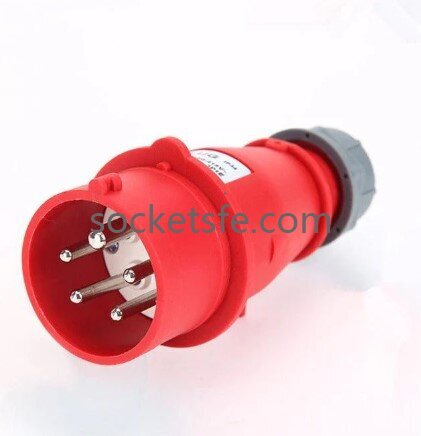
Industrial facilities depend on suitable electrical connection systems to support machinery, portable tools, and auxiliary equipment. Different devices require different power configurations, and connector selection must reflect the characteristics of the electrical supply and the intended application. In many industrial installations, 220V Industrial Plug products provide a dedicated connection between compatible equipment and power outlets. Their selection involves more than matching the nominal voltage, as current requirements, contact arrangements, grounding, and operating conditions also influence compatibility.
Voltage is one of the first specifications buyers should verify. However, two connectors designed for the same nominal voltage may have different current ratings, pin configurations, and phase arrangements. The selected plug must match the corresponding socket and the electrical requirements of the equipment. Buyers should review the equipment nameplate, technical documentation, and installation specifications before purchasing. This helps reduce the risk of mismatched connections and supports more consistent electrical system planning.
Industrial connectors are generally designed for environments where equipment may be connected and disconnected regularly. Their housings provide electrical insulation and structural support, while the internal contacts establish the conductive connection. Depending on the product design, housings may be manufactured from engineering plastics or other suitable insulating materials. The contact components need to maintain reliable electrical contact during normal operation. Material and construction choices should be evaluated according to the intended application and expected handling conditions.
Manufacturing facilities may use 220V equipment for workshop machinery, maintenance tools, auxiliary systems, and various production-related devices, depending on their electrical distribution arrangements. A suitable connector system allows compatible equipment to be connected to designated power outlets. Organizing connection points by equipment type and electrical requirement can also make maintenance easier. In facilities with multiple production areas, consistent connector configurations may help workers identify compatible power sources and replacement components.
Workshops often have changing equipment arrangements. Portable tools may be shared between workstations, while machines may be moved for maintenance or production adjustments. Industrial plugs can support these activities when their ratings and configurations match the connected devices. Cable condition, socket compatibility, and grounding should be checked regularly. Facilities should avoid improvised adapters or wiring arrangements unless they are specifically designed and approved for the intended electrical system.
Construction sites may require temporary power connections for portable machinery, lighting, pumps, and service equipment. These locations can involve dust, moisture, impact, and frequent equipment movement. Buyers should consider whether the connector's housing and protection rating are suitable for the actual site conditions. Outdoor installations may require additional environmental protection for the matching socket, cable entry, and distribution enclosure. A connector should always be evaluated as part of the complete electrical connection system.
Safety depends on correct installation and proper maintenance. The connector must be suitable for the circuit's voltage and current requirements, and the grounding arrangement must match the electrical system. Conductors should be connected securely using the manufacturer's specified installation method. Loose contacts can contribute to overheating and equipment interruptions, making routine inspection important. Installation and repair should be performed by qualified personnel in accordance with local electrical regulations and applicable standards.
Environmental conditions also influence product selection. Indoor workshops may have different requirements from outdoor work areas or locations where equipment is frequently cleaned. Dust, humidity, water exposure, temperature changes, and mechanical contact should all be considered. Where a specific ingress protection rating is required, buyers should verify the documented rating and confirm that the complete connection arrangement meets the application's needs. General product descriptions should not replace technical verification.
For distributors, contractors, and industrial equipment manufacturers, clear product information is essential. Buyers may need to compare voltage and current ratings, pin arrangements, mounting styles, housing materials, and compatible socket options. They should also consider replacement availability and consistency across product ranges. A supplier that provides clear technical documentation can help purchasing teams identify suitable configurations and reduce compatibility issues during installation.
Selecting a suitable connector requires a complete understanding of the equipment and electrical environment. By reviewing voltage, current, phase arrangement, pin configuration, grounding, and installation conditions together, businesses can make more informed procurement decisions. To explore industrial electrical connection products and related configurations, visit https://www.socketsfe.com and review the available solutions for different equipment requirements, including 220V Industrial Plug products.