<!--StartFragment-->
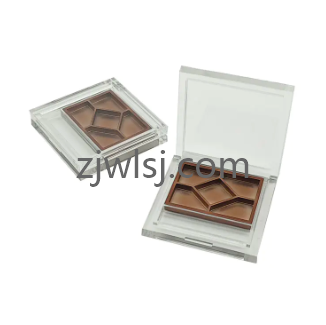
Cosmetic packaging is an essential part of developing and marketing face makeup products. A Powder Case needs to provide practical storage, convenient access, and suitable protection while maintaining an appearance that reflects the identity of a beauty brand. For cosmetic manufacturers, importers, wholesalers, and distributors, packaging selection involves more than choosing an attractive exterior. Material properties, internal construction, manufacturing precision, and decoration methods all influence the suitability of a container for different powder formulations and retail applications.
Plastic is a common material in cosmetic packaging because it offers considerable flexibility in product development. Manufacturers can select different plastic materials according to the required strength, appearance, weight, and processing characteristics. A rigid plastic structure can help maintain the shape of a container during handling and transportation, while a properly designed internal space provides room for the cosmetic product. Material selection should take into account the intended application, product formulation, manufacturing process, and expected storage conditions. These considerations help buyers identify packaging that matches both functional and commercial requirements.
Structural design has a direct influence on packaging usability. Cosmetic containers may include an outer shell, base, lid, internal compartment, and connecting components. Each part needs to work together to provide convenient opening, secure closure, and stable product storage. The internal dimensions should correspond to the intended powder format, while the exterior structure should allow comfortable handling. Rounded edges, suitable wall thickness, and carefully designed connecting areas can contribute to a practical product structure. For products intended for frequent consumer use, the opening and closing experience deserves particular attention during development.
Injection molding supports the production of plastic cosmetic containers with consistent shapes and detailed structural features. During mold development, manufacturers need to consider product dimensions, material flow, wall thickness, mold release, and the arrangement of different components. Appropriate mold design helps maintain dimensional accuracy and supports repeatable production. It can also influence the appearance of the finished product, particularly when the exterior includes decorative surfaces or complex geometric details. Sample evaluation before mass production provides an opportunity to review structural compatibility and identify adjustments that may be needed.
Different powder products may require different internal packaging arrangements. Loose powder, pressed powder, and other face makeup formats can have different storage requirements. The packaging design should provide appropriate space for the cosmetic contents and accommodate any additional components included in the product concept. Some designs may incorporate a separate area for accessories, while others prioritize a compact structure that is easy to carry. Buyers should communicate the intended product format and usage requirements before confirming a packaging design. This allows manufacturers to evaluate the internal layout and recommend a suitable structure.
Appearance is another important factor in cosmetic packaging development. Color, surface texture, decorative printing, and finishing methods help establish a recognizable visual identity. Depending on the product concept, brands may prefer glossy, matte, metallic, or other customized finishes. Printing and decorative treatments can also be used to display brand names, product information, and visual elements. The selection of a finishing process should consider its compatibility with the plastic material and the expected appearance after production. Consistency between samples and mass-produced items is especially important for brands managing multiple product collections.
Quality control helps ensure that packaging components meet agreed requirements. Inspection procedures can include dimensional checks, visual appearance evaluation, color comparison, and assembly testing. For containers with hinged lids or separate connecting parts, opening and closing performance should be checked to identify possible structural problems. Surface inspection can help detect scratches, uneven finishes, molding marks, or other defects that may affect product presentation. Establishing clear inspection standards between buyers and manufacturers supports more predictable production and helps reduce quality-related disagreements.
Customization provides additional flexibility for cosmetic brands with specific positioning and market requirements. Buyers may request different shapes, colors, dimensions, compartment arrangements, logo treatments, and decorative effects. OEM and ODM manufacturing services can support the development of packaging based on brand concepts and product specifications. During the development process, buyers should confirm drawings, physical samples, material choices, decoration details, and assembly requirements. Clear communication at each stage helps ensure that the finished packaging corresponds with the approved design and can be manufactured consistently in larger quantities.
International B2B buyers should also evaluate the supplier's production capabilities and cooperation process. Relevant considerations include mold development experience, material management, manufacturing capacity, inspection procedures, sample approval, and delivery coordination. Providing detailed requirements at the beginning of a project can make communication more efficient and help manufacturers prepare appropriate production plans. Buyers should also consider how packaging dimensions and protective arrangements affect storage, carton organization, and transportation costs. A practical design can support more efficient inventory management throughout the supply chain.
As cosmetic brands continue to develop products for different consumer markets, packaging must balance visual identity, product compatibility, manufacturing feasibility, and everyday convenience. A well-developed Powder Case can support these requirements through suitable materials, reliable construction, and carefully selected decorative treatments. Businesses exploring plastic cosmetic packaging solutions can review the available product designs at https://www.zjwlsj.com/product/eye-shadow-palette/shadow-palette-1-grid/.
<!--EndFragment-->